
The North Atlantic Treaty Organization (NATO) concluded its summit in Ankara on 8 July 2026 with new military commitments, renewed support for Ukraine and another affirmation of collective defense. As European allies sought to meet Washington’s demands for higher defense spending, host nation Turkey tightened security to suppress domestic dissent. Yet the summit also exposed a missed opportunity: rather than using the moment to outline a clearer path toward a Europe-led NATO, the summit largely translated increased European defense spending into new procurement commitments, many benefiting US defense manufacturers.
Meric Sentuna Kalaycioglu
7 October 2026
President Vladimir Putin sent a diplomatic note to NATO end of September 2026 warning the western alliance it would be ready to resort to nuclear weapons if NATO attempted to cut off Russia’s Baltic enclave in Kaliningrad. The Russian President warned that cycles of escalation could quickly reach dangerous levels leading to “a fatal point of no return”. NATO’s Secretary General Rutte rebuked this claim stating that NATO is a defensive alliance and has no plans for a naval and air blockade in the Baltic. This comes after numerous allegations of Russian incursions into Polish airspace and hybrid attacks on German soil.
NATO allies have been under pressure from US President Donald Trump to increase defense spending. While Ukraine fatigue continues to grow among the European public, the German Chancellor made clear during his blitz visit to Kiev this past weekend that Germany stands with Ukraine. He pledged an additional EUR 1.3 billion in military and energy sector aid from Germany.
But where does NATO stand and what did the NATO summit in Ankara achieve? The answer: more defense spending and money for the powerful military industrial complex and no strategy on how to end the war on European soil. The summit offered no political perspective for the future of the alliance.
Building directly on the 2025 Hague summit’s framework to raise defense spending toward 5 percent of GDP by 2035, the Ankara summit served primarily as a forum for translating last year’s spending commitments into concrete procurement pledges. In the one-page Ankara Summit Declaration NATO Secretary General Mark Rutte announced that European allies and Canada had raised military investments by over USD 139 billion compared to the previous year, underscoring NATO’s argument that European allies and Canada were assuming a greater share of the alliance’s defense burden.
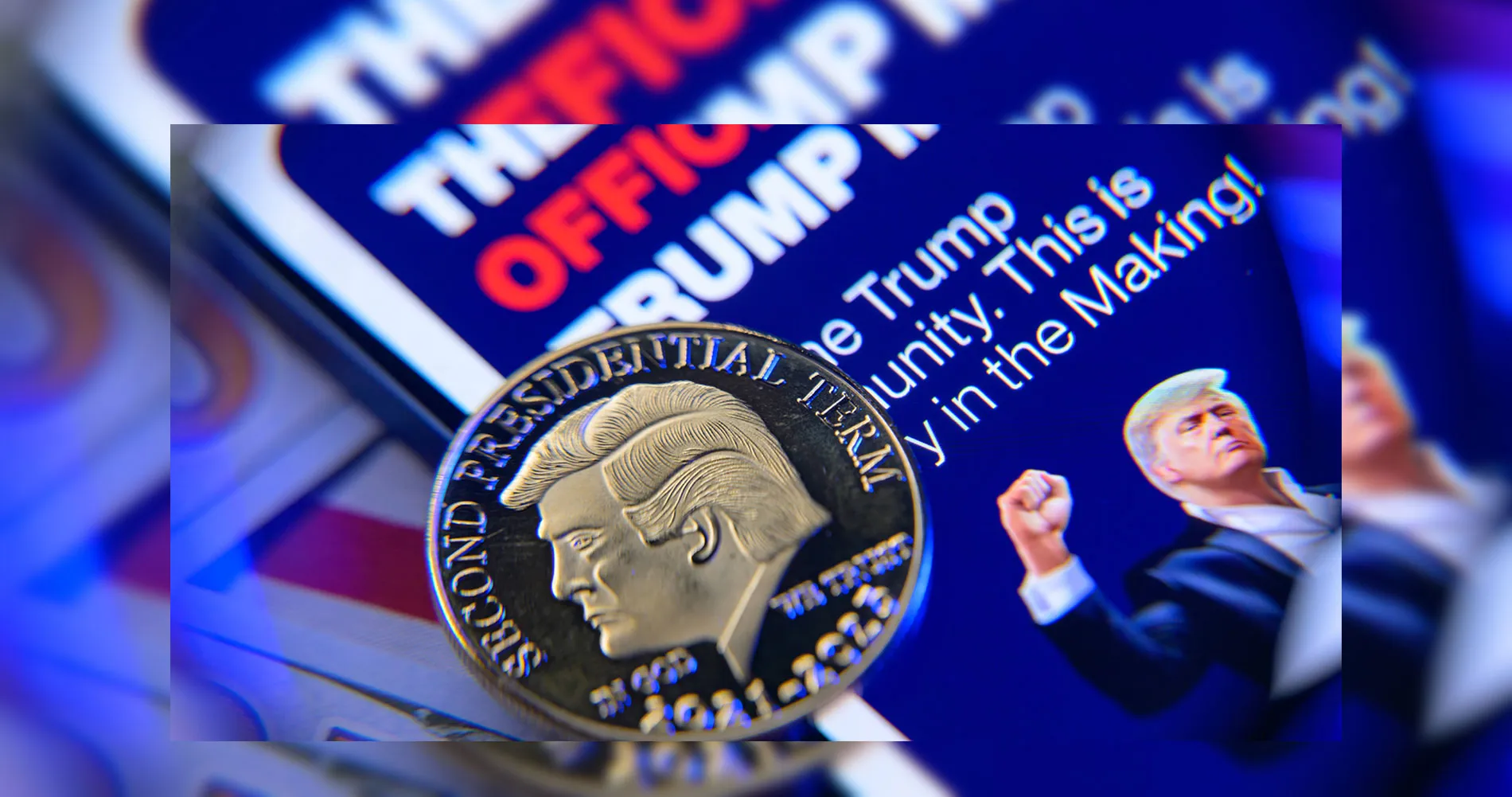
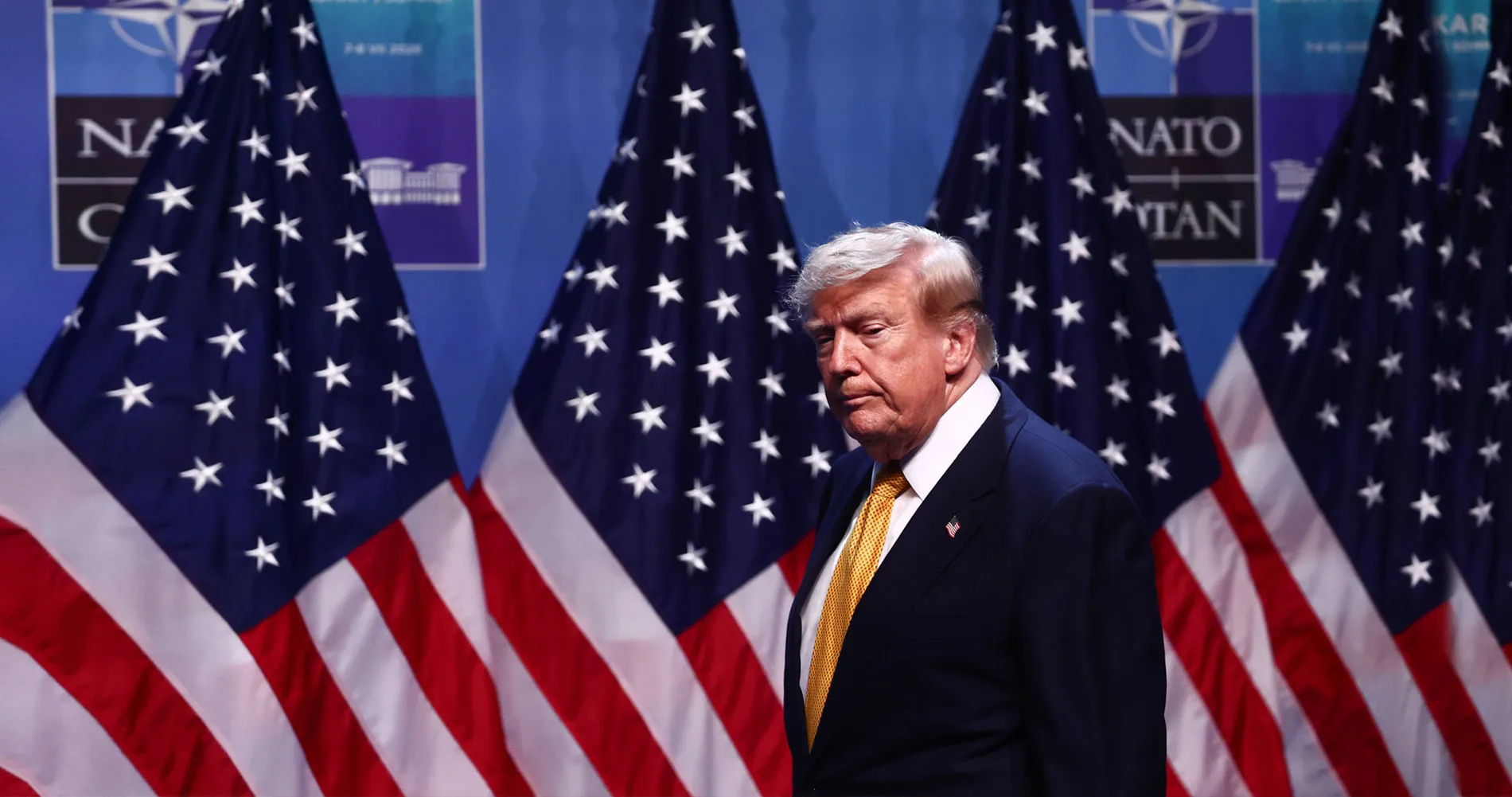
Yet, during his engagements in Beştepe Presidential Complex, US President Donald Trump again dominated much of the public discussion through demands that European allies assume a larger share of the security burden. To this end, he pushed for immediate burden-sharing commitments and expanded American military hardware exports. The thirty-one participating leaders, including French President Emmanuel Macron—who famously described NATO as “brain dead” in 2019—largely sought to avoid an open rupture with Washington. Accordingly, allies announced over USD 50 billion in new military hardware contracts—ranging from early warning platforms to surveillance drones. The White House characterized the outcome as an evolution toward a “NATO 3.0” model, emphasizing European financial self-reliance alongside growth for American industrial defense manufacturers. Moreover, the summit reaffirmed NATO’s commitment to Article 5 by pledging EUR 70 billion in military assistance and training for Ukraine in 2026.
For Turkey, hosting the summit carried strategic and symbolic importance. Ankara presented itself as an indispensable NATO member at a time when security priorities increasingly extend from the Black Sea to the Middle East. Turkish officials also used the summit to promote the country’s defense industry and to argue that European security initiatives should include Turkey despite long-standing political disagreements with some EU members. Turkey’s central role nevertheless revived a long-running debate over its position inside the alliance. For years, Ankara has pursued closer defense cooperation with NATO while simultaneously maintaining an independent foreign policy that has occasionally placed it at odds with allies. This balancing act has made Turkey both strategically valuable and politically difficult for NATO.
Domestic politics also accompanied the international gathering. Turkish authorities introduced extensive security measures across Ankara, while police detained hundreds of people during operations linked to summit security and demonstrations, drawing criticism from the opposition and civil society organizations. The main opposition also questioned the transparency of negotiations surrounding defense issues and Turkey’s discussions with the US during the summit.


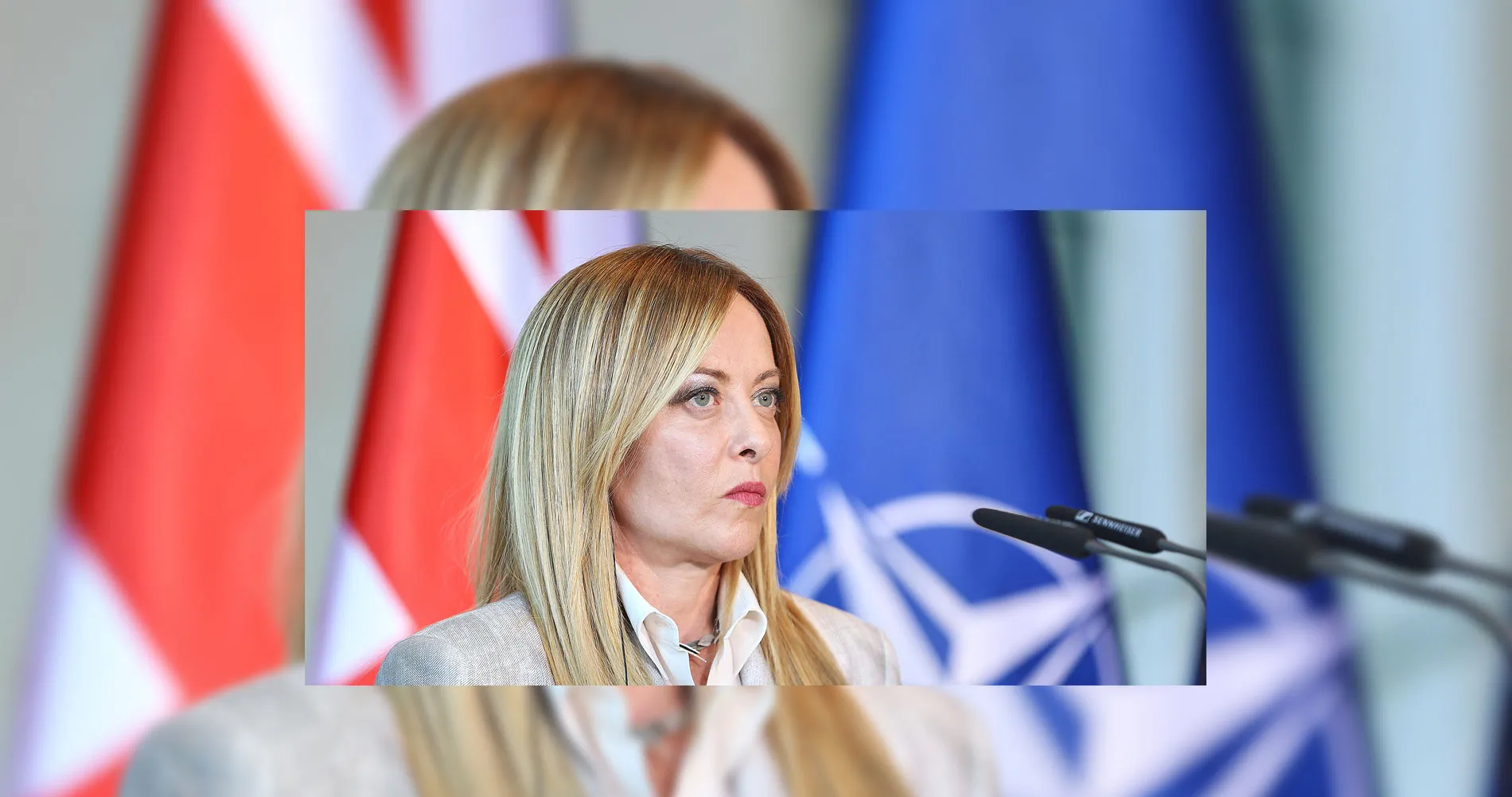
Despite Lithuanian Foreign Minister Kęstutis Budrys’ expressed desire for the summit to be “as boring as it could be,” the Ankara Summit ultimately emphasized continuity after the ambitious commitments made in The Hague.
From a European perspective, however, the summit offered limited discussion of a longer-term political vision for the alliance. While procurement commitments dominated the agenda, allies devoted comparatively little attention to defining how and when Europe might gradually assume greater strategic responsibility within NATO alongside the expansion of its own defense industrial and financial capabilities.
Recent European initiatives, including the creation of the Defense, Security and Resilience Bank to mobilize private and institutional capital for security-related investments, suggest that the continent is gradually developing financial instruments capable of supporting a more autonomous defense industrial base. The Ankara summit, however, placed considerably greater emphasis on procurement commitments than on outlining how such European-led mechanisms could complement NATO’s long-term strategic evolution. Compared with The Hague, the Ankara summit, in a way, represented consolidation rather than transformation. Last year’s meeting established ambitious defense spending goals under the pressure of Russia’s actions and growing American demands. Ankara concentrated on turning those commitments into practical measures while avoiding major political confrontations.
The differences in interpretation reflected broader questions facing the alliance. Russia’s war against Ukraine continues to provide NATO with a clear strategic focus, but other challenges—including instability in the Middle East, defense industrial capacity, technological competition and the future distribution of transatlantic responsibilities—are becoming increasingly important. The summit ultimately demonstrated that NATO remains united around collective defense and support for Ukraine, but that unity increasingly rests on a changing internal balance. Europe is investing more heavily in its own security, while a substantial share of new procurement continues to benefit US defense manufacturers, the US continues to demand for burden-sharing and Turkey seeks to strengthen its position as both a regional power and a key NATO ally.
In Ankara the alliance’s internal tensions were not resolved, but it was confirmed that the future of NATO, the largest defensive alliance in modern history, will be shaped as much by managing differences among allies as by responding to external threats. In light of the fact that a hot war is raging in Europe and has been ongoing for three and a half years, this outcome is disappointing.