
The documentary Gaza: Doctors Under Attack has reached audiences through alternative broadcasting channels after being left in limbo by the BBC for several months. Following intense public pressure and internal friction regarding editorial neutrality, the film has since earned the Foreign Affairs Journalism Award and three BAFTA nominations, including Best Current Affairs documentary. Its journey -from planned broadcast to delayed release and eventual distribution elsewhere- has sparked a secondary debate regarding the balance between strict editorial oversight and the timely reporting of crisis that now runs parallel to the story it aims to tell.
Meric Sentuna Kalaycioglu
15 July 2026
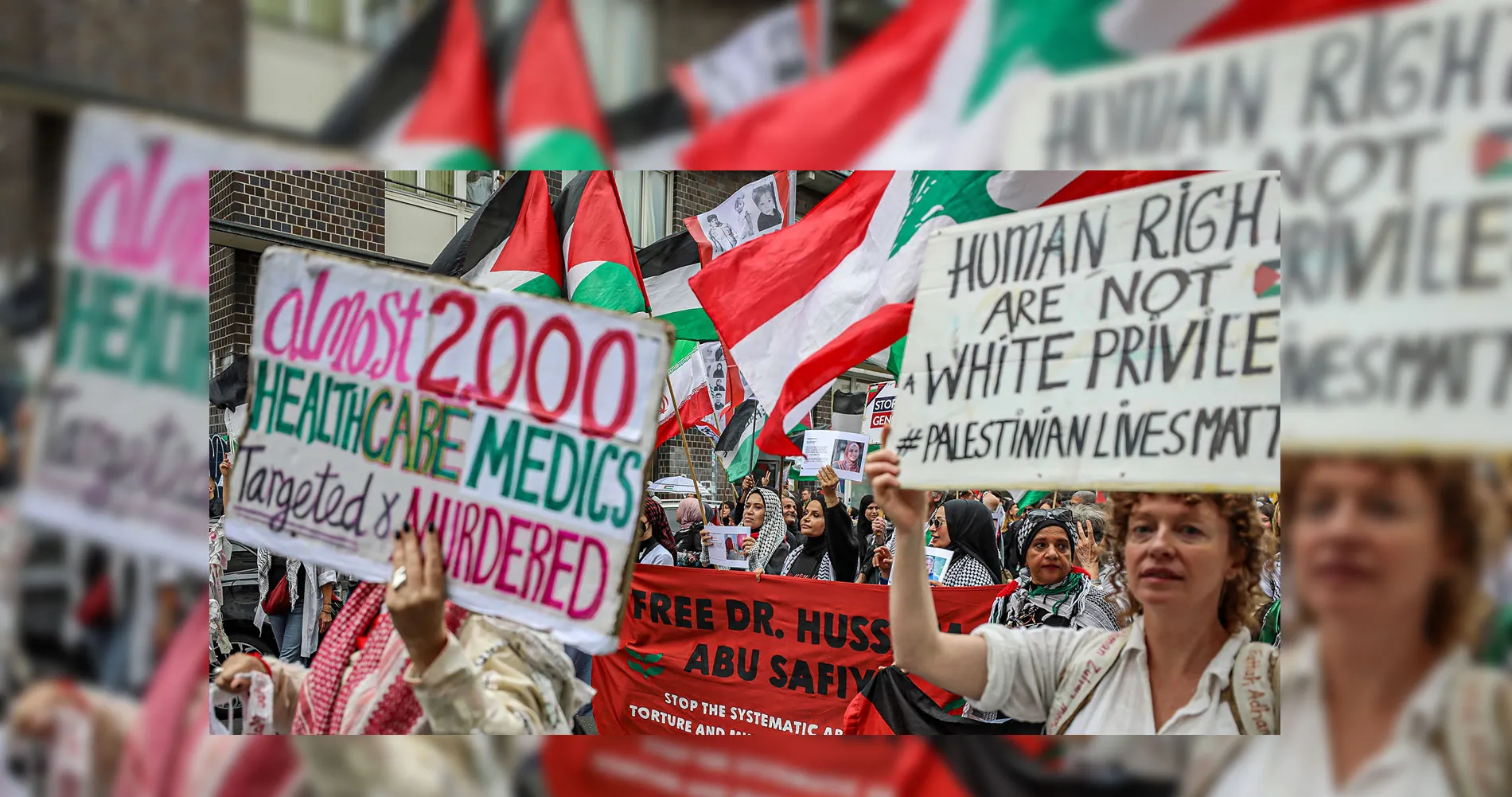
According to United Nations reports and local health authorities, Israeli forces have killed 1722 healthcare workers in Gaza. This shocking statistic translates to approximately 2-3 health workers killed per day. MSF (Doctors Without Borders) has published the name and picture of fifteen MSF staff members which have been killed in Gaza by the IDF. The documentary “Gaza: Doctors Under Attack” highlighted these facts.
Produced by Basement Films, a production house founded by former Channel 4 News editor Ben de Pear, the documentary was initially commissioned by the BBC. However, the film became the center of a high-profile dispute throughout early 2025 as its scheduled air date was repeatedly postponed, leading to accusations of censorship and a breakdown in the relationship between the filmmakers and the national broadcaster of the United Kingdom. The film documents the challenges of medical professionals, mainly the surgeons and orthopedists at Al-Shifa, Al Awda, Kamal Adwan, Nasser and Indonesian hospitals, focusing on medics’ detention and abuse by Israeli military forces.
As the BBC’s internal review processes extended through May 2025, the delay triggered a significant backlash from both the creative community and the participants within the film. Figures such as actress Susan Sarandon and director Mike Leigh joined hundreds of industry professionals in signing an open letter to BBC demanding the film’s release. The letter argued that the film represented documented experiences of medical professionals and should be made available to the public in a timely manner. The signatories framed the delay as a matter of public interest, particularly given the ongoing humanitarian situation in Gaza.
The BBC initially attributed delays to a need for “editorial assurance”, yet the postponement followed intense scrutiny over a previous documentary, Gaza: How to Survive a Warzone, which was pulled from BBC’s streaming platform after the film’s narrator was linked to a Hamas official. A BBC spokesperson described the new documentary as a “powerful piece of reporting” but confirmed it would not air until a review into the earlier production was complete, maintaining that the broadcaster remained committed to telling the stories of the war “as soon as possible.”


Despite these assurances, the timeline for release remained stagnant, leading to a mounting standoff. When the BBC officially relinquished the rights to the broadcast by June 2025, the professional background of the filmmakers played a central role in the project’s eventual survival with a swift transition to Channel 4 for domestic broadcasting. The move attracted interest of other media outlets as well. In July 2025, Zeteo—the media platform launched by Mehdi Hasan in 2024 to champion independent journalism—announced it had acquired the international streaming rights.
The pathway of “Gaza: Doctors Under Attack” serves as a primary example of the tensions between traditional broadcast caution and the urgency of reporting on humanitarian crises. While the BBC maintained that the postponement was seemingly a matter of routine journalistic due diligence, the eventual release through Zeteo and Channel 4 ensured the testimonies of Palestinian medics were made public. This timing proved critical, as the film’s findings converged with data from Insecurity Insight, a Switzerland-based non-profit association.
Between 7 October 7 2023 and 16 March 2026, the association identified at least 3223 incidents of violence against or obstruction of healthcare in the occupied Palestinian territory, attributing over 95% of these cases to Israeli armed forces. In Gaza specifically, where 2281 incidents were recorded, health facilities were damaged 442 times, while 754 health workers were killed and 390 arrested.
By bypassing the initial broadcast bottleneck, the documentary ensured that the specific accounts from Al-Shifa, Nasser and many other hospitals were not lost to internal review procedures. Instead, the film now stands as a permanent journalistic record of healthcare worker killings during wartime. Through its shift from a cancelled state-funded project to an award-winning independent broadcast, the film has become as much a story about the boundaries of bold journalism as it is about the medics it sought to profile.