

The Biennale Venezia which goes from 9 May to 22 November 2026 will go down in history for being the most politicized ever. With both delegations from Russia and Israel attending, the jury of the festival stepped down just nine days before the opening, stating that they will “refrain from considering those countries whose leaders are currently charged with crimes against humanity by the International Criminal Court”. Despite EU politicians putting their head in the sand, the public and other participants made a strong stance in support of Palestine and against Israel taking part in the event.
Alexandra Dubsky
24 June 2026
The world’s oldest and most prestigious contemporary art fare, the Biennale of Venice in Italy, is currently holding its 61st edition titled “In Minor Keys”. The exhibition that first started in 1895 saw a visitor record for its opening weekend early May of some 10,000 visitors. A ca. 10% increase compared to the 2024 Biennale. This increase was surely also a result of the controversy surrounding the Russian and the Israeli pavilion.
Following Russia’s 2022 withdrawal, it did not send an official exhibition to its national pavilion, which was instead loaned to Bolivia. The Israeli delegation at that time did not fully withdraw but rather postponed its exhibition to “protest against the war in Gaza and in solidarity with the hostages”, according to Israeli artist Ruth Patir.
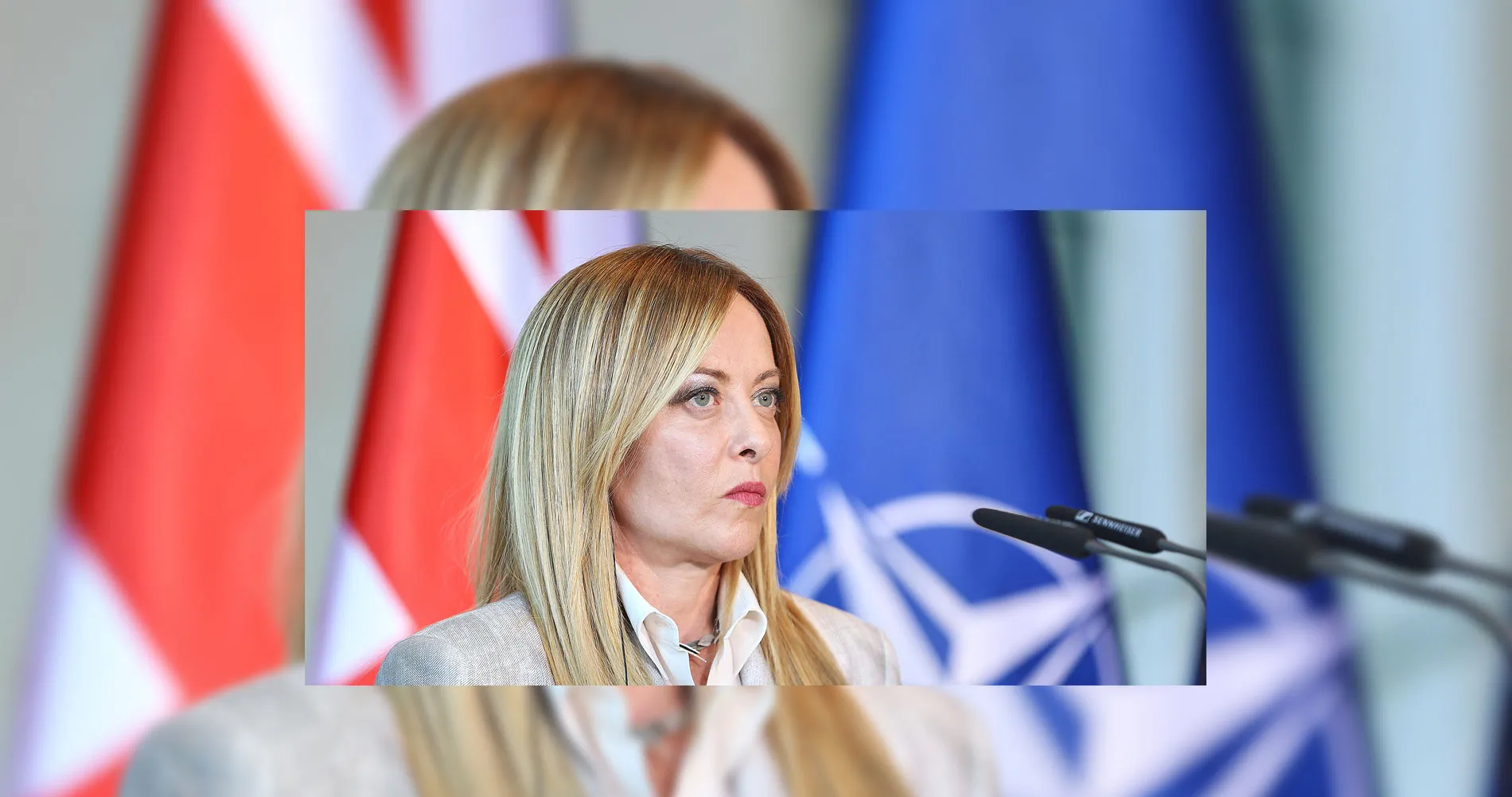
Fast forward to 2026: the President of the Biennale Pietrangelo Buttafuoco, with ties to Meloni’s conservative government, has supported allowing Russia to return and to allowing Israel to continue to take part in the event. He did this despite many public appeals (including from the US) and open letters calling for bans on both countries. According to Buttafuoco, the Biennale was “staying politically neutral”.
Russia’s pavilion’s commissioner, Anastasia Karneeva, promptly publicly thanked “the Italian friends” on social media. While the European Commission is investigating whether sanctions were broken, and although Meloni has distanced herself from Buttafuoco’s views, she did not step in. Karneeva is the daughter of a former CEO of Rostec, the Russian state-owned defense conglomerate currently subject to international sanctions
The decision to allow Russia’s participation has drawn financial consequences. The European Commission announced it would withdraw approximately €2 million in funding from the art show. Because official EU still has not managed to sanction Israel as a state – no such consequences were tied to Israel’s participation at the event.
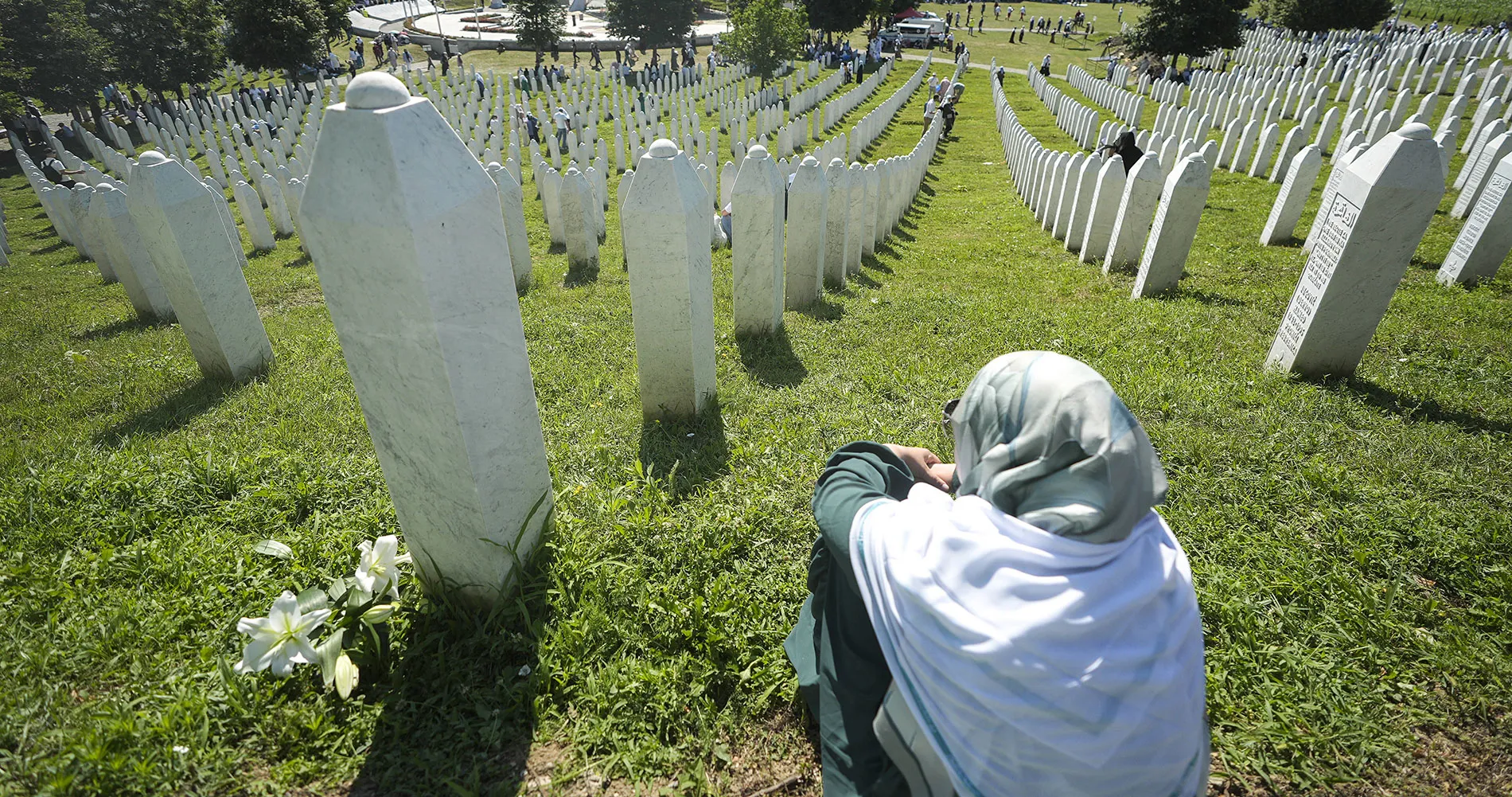
The contribution of Israel has caused even more controversy than Russia’s presence, despite European politicians turning a blind eye to Israel’s genocide in Gaza, the ongoing indiscriminate killing in Lebanon, and more recently on 23 June 2026, the UN report on the deliberate killing of children by Israel’s IDF.
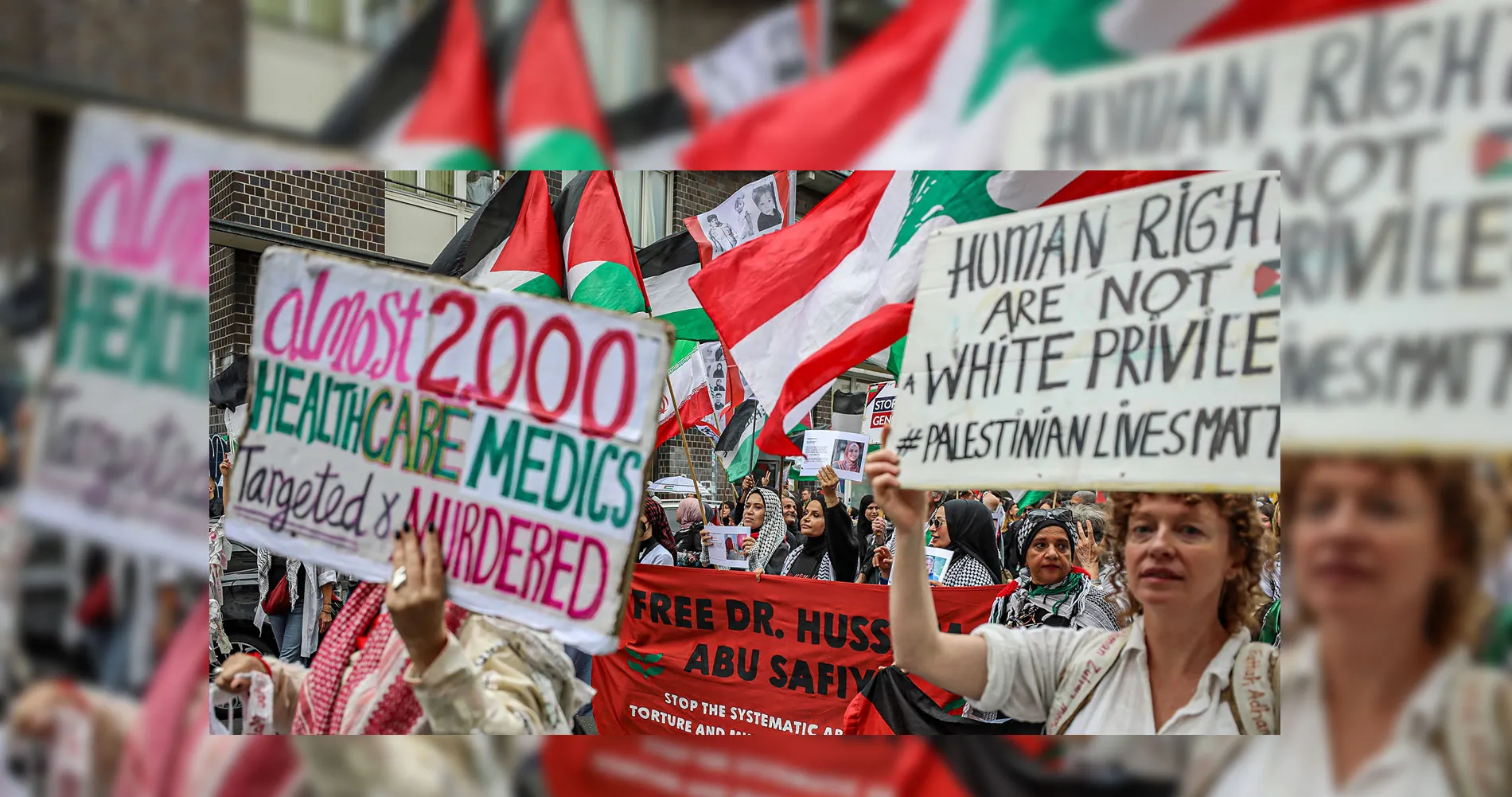
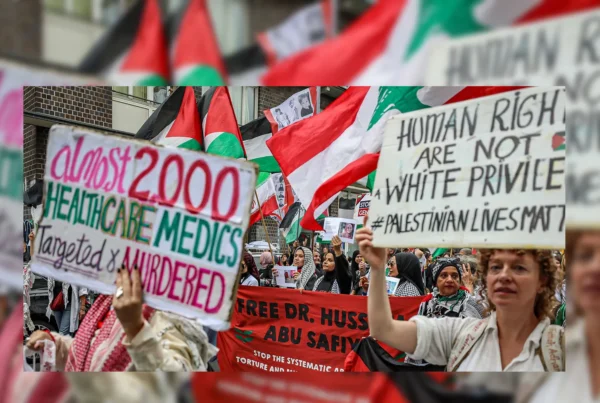
With many European politicians not willing to speak out against Israel’s right-wing government, the protest has been left to the public and other artists. Hundreds of activists blocked the entrance to the Israeli pavilion site at the Arsenale on Friday, 8 May 2026 waving Palestinian flags and holding banners that read “No Artwashing Genocide.” Nearby, thousands of demonstrators marched through the areas around the Giardini, the other exhibition venue. Italian riot police used shields to push back crowds attempting to enter the Biennale sites.
The day before the official opening, an historic 24-hour strike in solidarity with Palestine led to the full or partial closure of more than 25 national pavilions, including those of France, Belgium, Austria, Italy, and Türkiye.
In an iGlobenews interview, Venice-based Irene Woodbury, an American English language professor at Foscari University who had previously worked for the Biennale, stated the obvious: “There are many powerful Jewish people in the art scene, with a lot of money and influence,” adding, “Not letting Israel participate is more of a problem than Russia,” because of this powerful lobby.
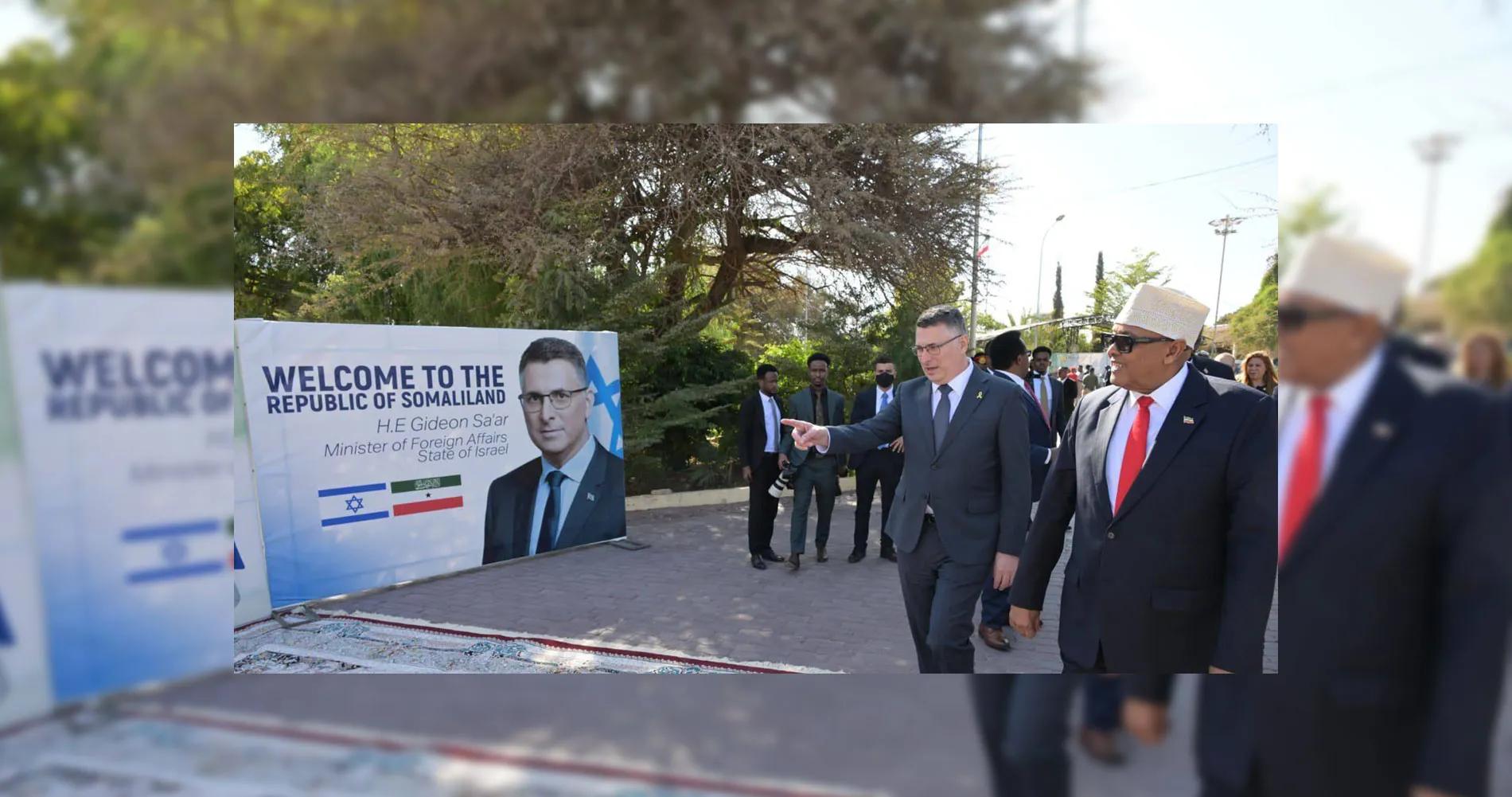
Israeli artist Rani Bruchstein, who owns a gallery in Barcelona and who is a participant at this year’s Biennale, said that “everyone welcomed him very warmly” noting that he was “happy to be part of the show”. He declined to comment further on the political context of his country’s participation. This proves again that being against Israel is not to be equated with being antisemitic.
While this political controversy was unfolding other pavilions tried to remain as apolitical as possible. There was the strange but very popular Austrian pavilion with toilet installations and a human bell. Then there was the doll/poem installation at the Japanese pavilion.


Images: Impressions from the Biennale 2026, Venice © iGlobenews
“The lines in front of the Austrian pavilion were clearly the longest on the opening day”, said a member of the Austrian delegation who prefers to stay anonymous to iGlobenews. A fun-fact: someone took a dump inside the installation causing one of the toilets to clog. The pavilion had to close for hours for the cleanup. Maybe a statement on the “art” inside the pavilion?
The Saudi Arabian pavilion was more political with Saudi artist Dana Awartani transforming the venue into a fictional archaeological landscape composed of delicate clay mosaics. Her message was of hammams and mosque floors destroyed across the Arab world, while also referencing Venice’s long tradition of mosaic craftsmanship. Visitors were invited to walk across these floors that resemble historic sites in Syria, Lebanon and Palestine that were either damaged or erased by recent wars and violence.
Israel’s deliberate targeting of cultural and religious sights by the IDF across the region are contributing to the further destruction of cultural and historic sites across the Middle East and the erasure of the Palestinian, Iranian and Lebanese people.
The organizers of the 2026 Biennale did its best to “Artwash Genocide” by rolling out the red carpet -which runs red – for a country whose leaders are war criminals.