
Africa loses billions while being told to depend less on aid. Keeping more of its wealth will take stronger tax authorities at home and fairer rules abroad.
Michael Asiedu
19 October 2026
Africa is routinely described as dependent on the West, or so the story runs, forever taking aid, pleading for debt relief and enduring lectures on good government. The ledger tells another story. Vast sums leave the continent even as its governments are urged to rely less on outside help. When the United States moved to dismantle USAID in early 2025 and Britain and Germany reduced aid spending, the losses were real. So was the familiar advice that followed. Africa must broaden its tax base, recover what it is owed and learn to pay its own way. The advice is sensible. But it overlooks the wealth already leaving African economies.
In a 2020 assessment, the UN Conference on Trade and Development (UNCTAD) estimated that Africa loses $88.6 billion annually through illicit financial flows, equivalent to 3.7 per cent of its GDP. The figure is striking, even if it does not represent money governments could simply recover through taxation. It exposes a contradiction in the familiar account of African dependence. While the continent is urged to make do with less foreign assistance, substantial wealth continues to flow beyond its borders. Ghana’s President John Dramani Mahama drew attention to that imbalance in New York in September 2026, citing roughly $90 billion in annual illicit outflows.
Economists Léonce Ndikumana and James Boyce have long documented capital flight from African economies. Their research describes a troubling divide between private assets accumulated abroad and public debts borne at home. Capital flight is not the same thing as illicit financial flows, so the estimates cannot be added up. But both point to the difficulty of keeping the proceeds of economic activity within reach of African institutions.
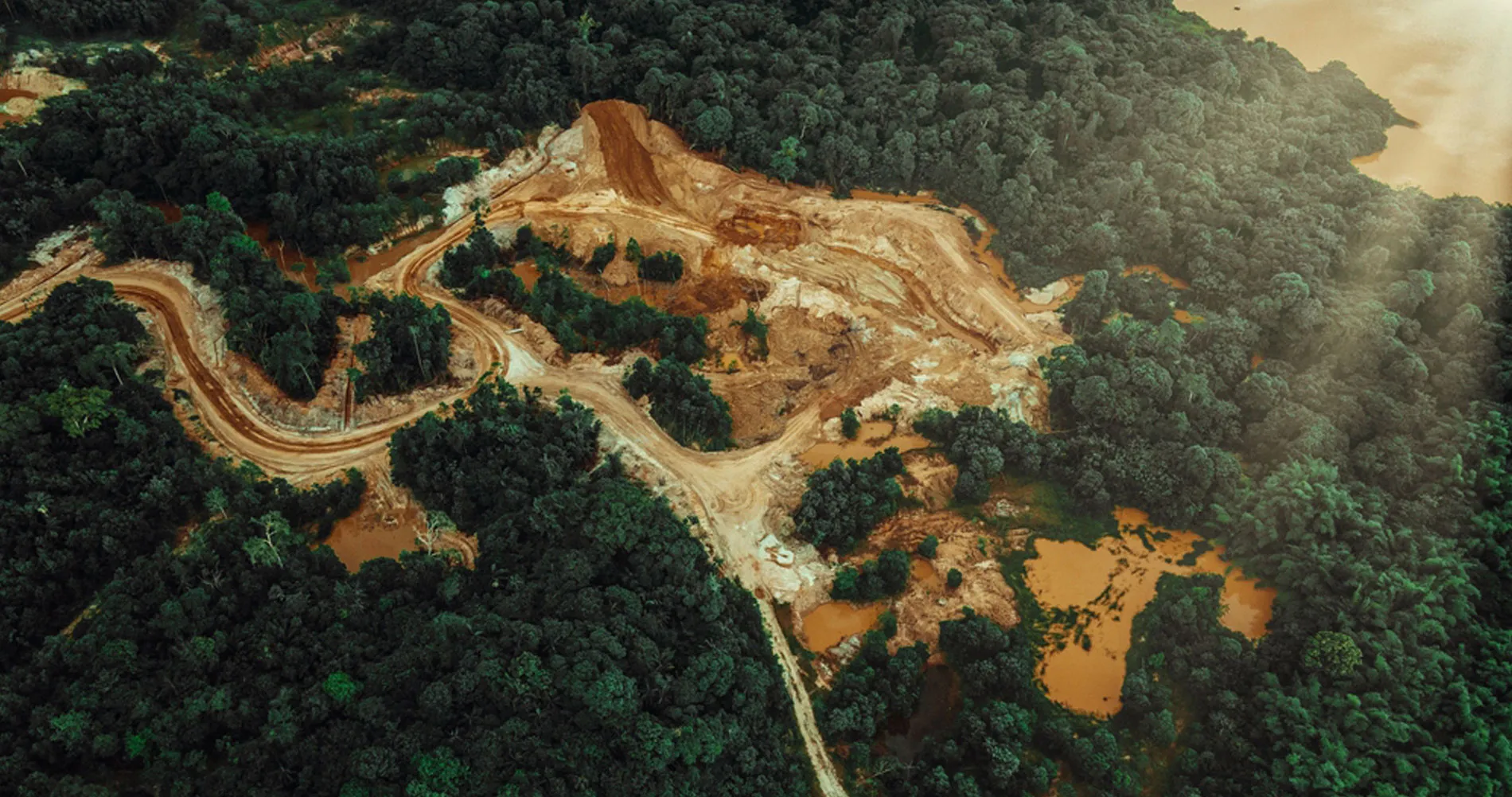
The money does not have to leave in suitcases. Export values can be misstated, and multinational firms can shift profits to places where they pay less tax. Mining is especially vulnerable when officials struggle to establish what a shipment is worth. UNCTAD has drawn attention to under-invoicing in extractive exports, particularly gold. Not every gap in the figures is evidence of unpaid tax. But where authorities cannot establish the value of what is sold, collecting a fair share becomes much harder.
The problem does not end at the border. Company structures can obscure who owns assets, while financial secrecy makes it harder to trace profits and enforce tax claims. The Tax Justice Network has estimated large worldwide losses from cross-border tax abuse. Those are global estimates, not sums that can all be charged to Africa. Nor is every account in an offshore financial centre illicit. What matters is whether African authorities can obtain the information needed to follow money that has moved beyond their jurisdiction.


African governments have work to do as well. The African Union panel chaired by Thabo Mbeki identified commercial practices, crime and corruption as routes through which funds leave the continent. Customs services need better information, tax offices need skilled staff, and ownership records need to show who controls companies. The African Tax Administration Forum (ATAF) helps governments strengthen these capacities. Its reported tax assessments and collections matter, but they cannot sensibly be measured as a share of UNCTAD’s estimate of all illicit outflows. The figures describe different things.
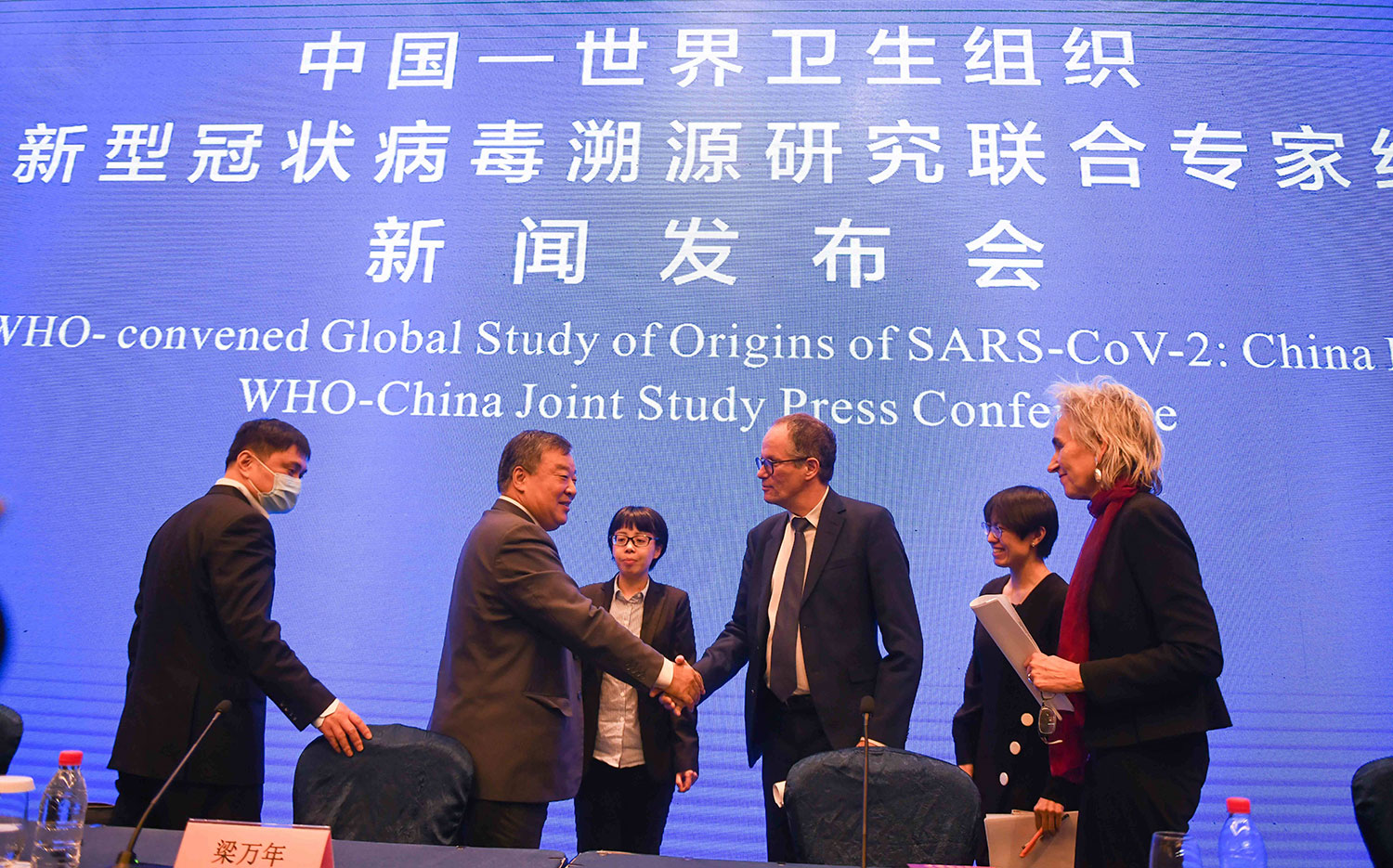
African states are also trying to change the rules. In November 2023, the UN General Assembly backed a more inclusive approach to international tax cooperation, setting in motion negotiations on a United Nations Framework Convention on International Tax Cooperation. The convention itself has not yet been adopted. Negotiators met in New York from 3 to 13 August 2026 for their fifth session, with texts expected to reach the General Assembly in 2027. The appeal is clear. African governments want a greater say in rules long shaped mainly through OECD-led processes. Yet winning a place in the negotiations is only the beginning. The OECD/G20 Inclusive Framework’s January 2026 “side-by-side” package changed how the global minimum tax operates without abolishing the 15 per cent regime. International agreements are shaped by bargaining power as well as principle.
That is no reason to abandon the UN effort. Profits cross borders, and tax authorities need information from other countries to follow them. The OECD has technical experience; the UN offers a broader negotiating table. Both face difficult questions about agreement and enforcement. A convention would matter most if it gave African governments tools they could actually use, not simply another declaration of shared intent.
There is room for action closer to home, too. Governments can check mineral valuations, examine transactions between related companies and seek better fiscal terms under national law. Processing more minerals locally may retain additional value when the economics support it. But refining gold at home does not make false invoices disappear. Officials still need the means to verify what is produced, sold and taxed. Mali shows both the possibilities and the risks. Its 2023 mining code sought a larger state share of mining revenue. After a prolonged dispute over the Loulo-Gounkoto complex, Barrick reached an agreement with Mali in November 2025 and regained operational control in December. That was a hard-fought settlement, not a permanent state takeover. It also showed that asserting a legal claim and securing durable revenue are not the same thing.
The billions at issue are not merely a plea for more aid. They raise harder questions about who sets prices, who can tax profits and who can trace money after it leaves. Stronger domestic enforcement will achieve less if governments cannot obtain information from abroad. International agreements will achieve little if tax authorities lack the capacity to use them. Neither route is painless. Disputes over mineral revenues can unsettle investment, and global tax negotiations can produce compromises that fall short of what poorer countries seek.
Africa should not have to choose between collecting more at home and demanding fairer rules abroad. It needs both. The real measure of progress will not be another promise of cooperation, but whether governments can identify the value created within their borders, tax it fairly and keep more of the proceeds available for their people.