
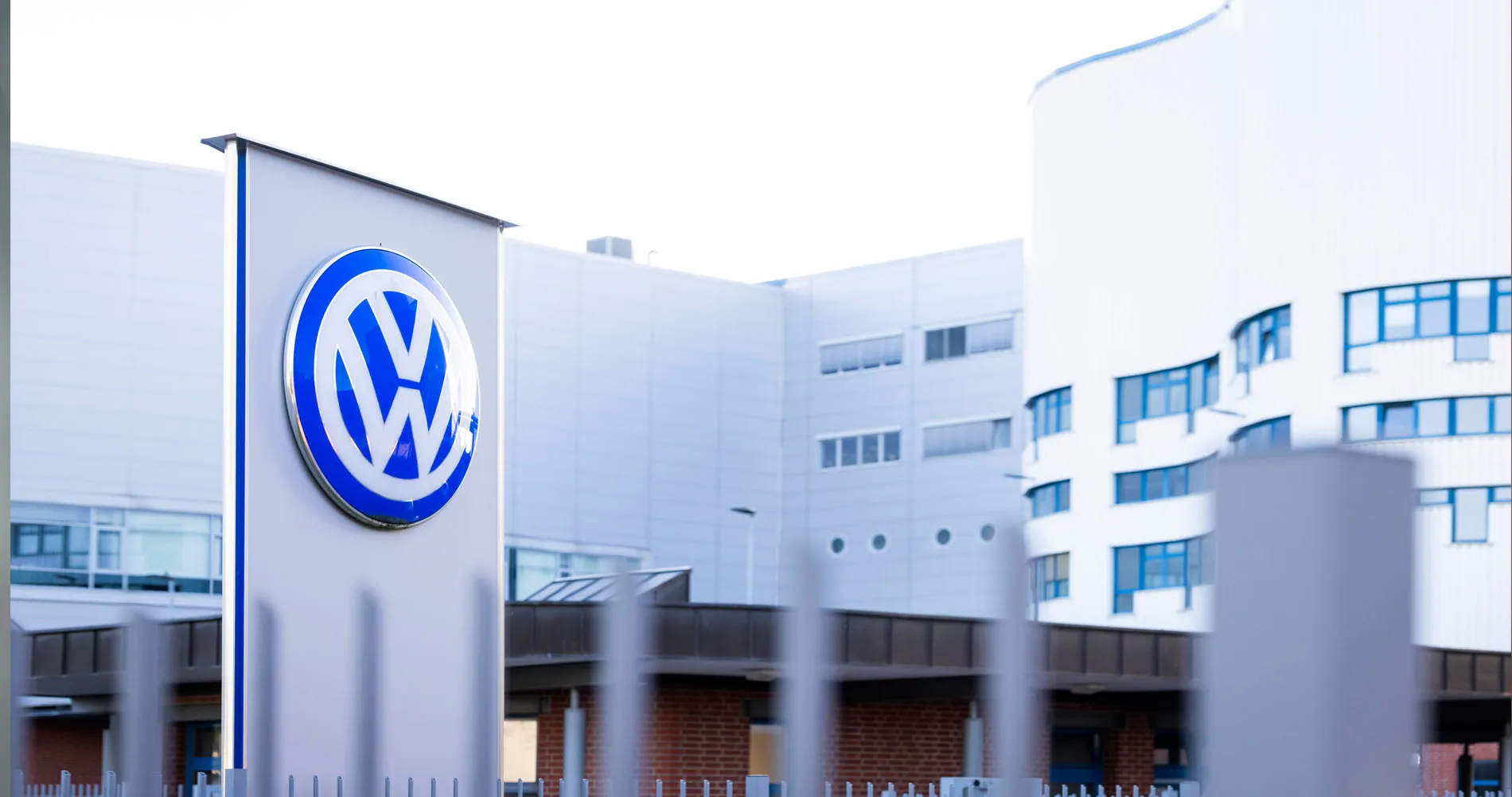
German automotive manufacturer Volkswagen is now in talks to begin producing equipment for Israel’s Iron Dome missile defense network. The deal would see the automotive giant change from its typical civilian products and go into military contracting, echoing its production of Nazi vehicles and equipment during the Second World War.
Reed McIntire
11 May 2026
Russian
Volkswagen’s plant in Osnabrueck is in the process of being acquired by Israeli arms manufacturer Rafael Advanced Defense Systems. The sale is part of a wider attempt to revitalize the struggling automotive manufacturer. If finalized, the deal would see the plant produce heavy-duty trucks, launch units, and power generators for Israel’s missile defense system, the Iron Dome. The deal comes on the heels of a disappointing year for German auto manufacturing writ large, with VW’s profit shrinking by 53% in 2025.
The Iron Dome is Israel’s flagship missile defense system, capable of intercepting various incoming rockets and ordinances. The system played a key role in defending Israeli cities and military sites from Hamas rocket fire and helped defend against Iranian missile and drone strikes. However, as the conflict in Iran has dragged on, the flaws in the system are becoming increasingly clear.
While the system is reliably capable of defending from Hamas’ improvised rockets, often fired erratically, it has proved less able to defend against Iran’s calculated waves of drones and missiles. Iran’s strategy has involved sending cheaper ordinances first to expend the Iron Dome’s ammunition before sending a follow-up stronger wave of drones and missiles, killing dozens of Israelis and causing thousands of injuries.
Perhaps more importantly, the Iron Dome has provided Israelis with a consistent sense of security against incoming threats. As the nation was largely concerned with Hamas attacks and incursions until recently, Israelis have grown accustomed to a sense of practical invincibility, further egging on an already bellicose public and military culture.
With declining support from the American public, and potentially the next president, Israel’s turn to German manufacturing could provide a new and long-lasting source of assistance.
While a major change from their typical products, this transition would not be the first time that VW ventured into military contracting. During the Second World War, the company manufactured vehicles and aircraft components for the military, with most of their labor sourced from forced labor camps.
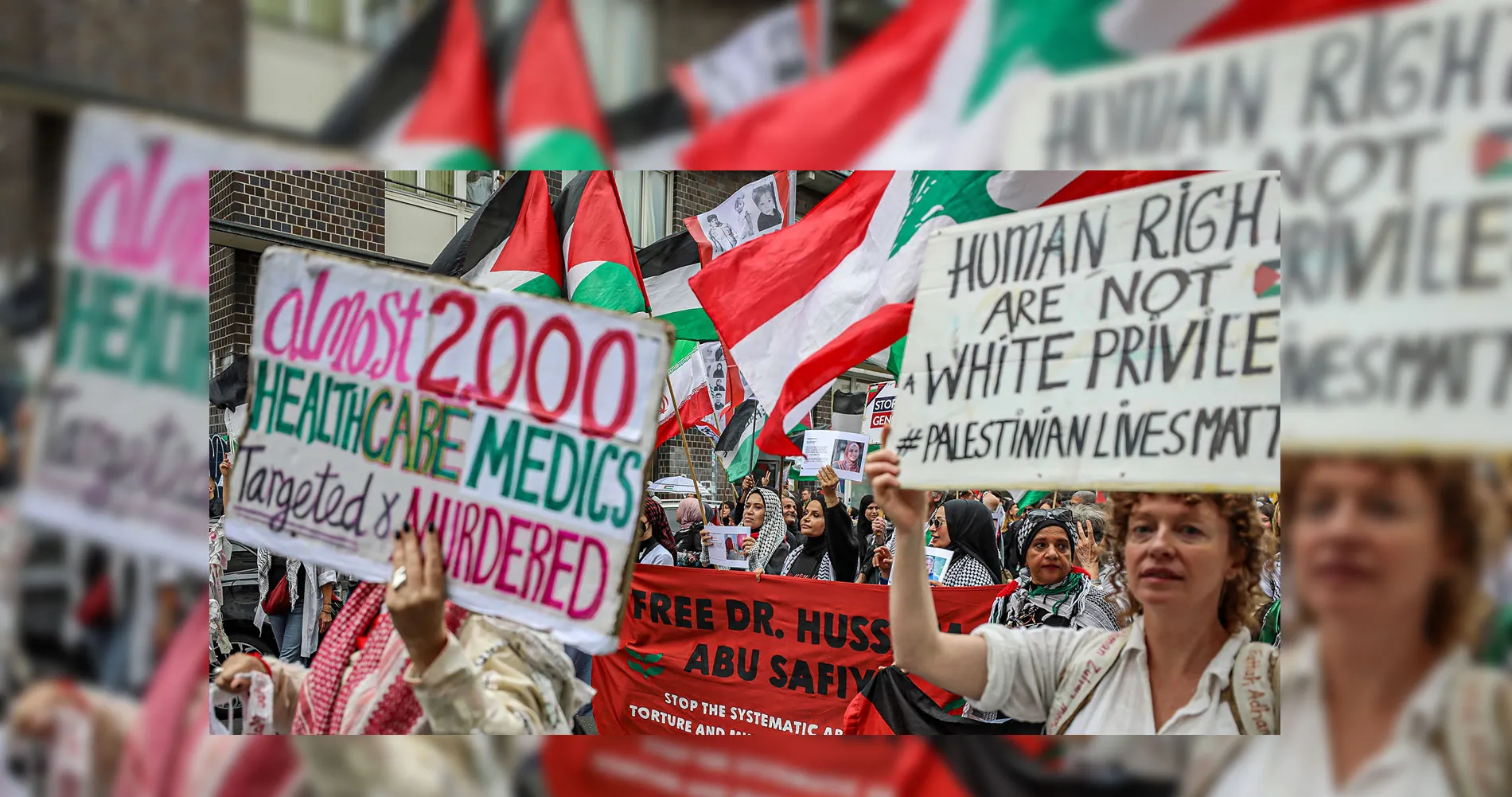
Already, the transition is drawing criticism from peace activists. Over the Easter weekend, protestors gathered at the Osnabrueck plant to protest the push towards military production, citing the city’s legacy of promoting international peace and law. Activists across Germany are additionally decrying the overall push in their country towards remilitarizing,
Other major German manufacturers have also begun to retool and repurpose some of their facilities towards defense production. Rheinmetall, a leading weapons manufacturer and automotive supplier, has already committed to converting some of its civilian production facilities into arms manufacturing.
Germany has a long history of supporting Israel’s defense. Famously, in a 2008 speech delivered to the Knesset, then-German Chancellor Angela Merkel stated that Israel’s defense is Germany’s Staaträson or “reason of state” — a clear indication of German priorities at that time.
In the early days of Israel’s statehood, Germany was a reliable partner. West Germany agreed to pay Israel roughly one-third of Israel’s federal budget each year for 12 years, as reparations for the Holocaust. Later in 1957, following a secret meeting between West German and Israeli heads of state, the Germans began supplying Israel with weapons.


More shockingly though, recently re-discovered documents reveal that West Germany helped fund the secret Israeli nuclear program in the 1960s. By appealing to Germany’s guilt for it’s role in World War II and the Holocaust, Israeli prime minister David Ben-Gurion leveraged West Germany into supporting the Israeli defense industry and nascent nuclear program, albeit secretly. For Ben-Gurion, securing German support meant not preventing another Holocaust from happening, a threat to both the Jewish people and Zionism. According to him, the extinction of European Jewry would endanger the Israeli settler project at large. From this perspective, Holocaust was not only a crime of the past, but also a crime against the future, and Germany would be responsible for correcting it.
From the German point-of-view, these deals functioned as a way to regain some of their lost international image. However, this aid rings hollow given the presence of former Nazi officials who maintained public office in the country, and given the genocide committed by Israel against the Palestinians in Gaza.
Despite its seemingly reflexive giving of aid to Israel, Germany still struggles to define its relationship with the Israel and Jewish people overall. While providing millions of euros worth of weapons to Israel, the German state simultaneously cracks down on any protest against this support, even from Jewish people. In 2024, the city of Berlin banned speeches and songs in Hebrew from pro-Palestinian protests, demanding that all such protests be in German or English.
In 2023, the magazine Jewish Currents published a groundbreaking article detailing how the remembrance of the Holocaust no longer functions as a solemn reckoning of history but has now become a subtle method for enforcing a state-approved and negative German identity. In the end though, this stifles any discussion of Israel’s own genocide of Palestinians as well as any dissent against its support of Israel.
Germany’s hitherto unshakable support for Israel may force its struggling automotive sector back into the more lucrative and politically influential business of arms manufacturing and sales.