
On 22 November the UN Climate Summit COP30 ended. It was a disappointing summit for many reasons. For China, the summit was an opportunity to fill the void left by the US, which has pulled back from climate diplomacy.
Jihane Karimou
18 December 2025
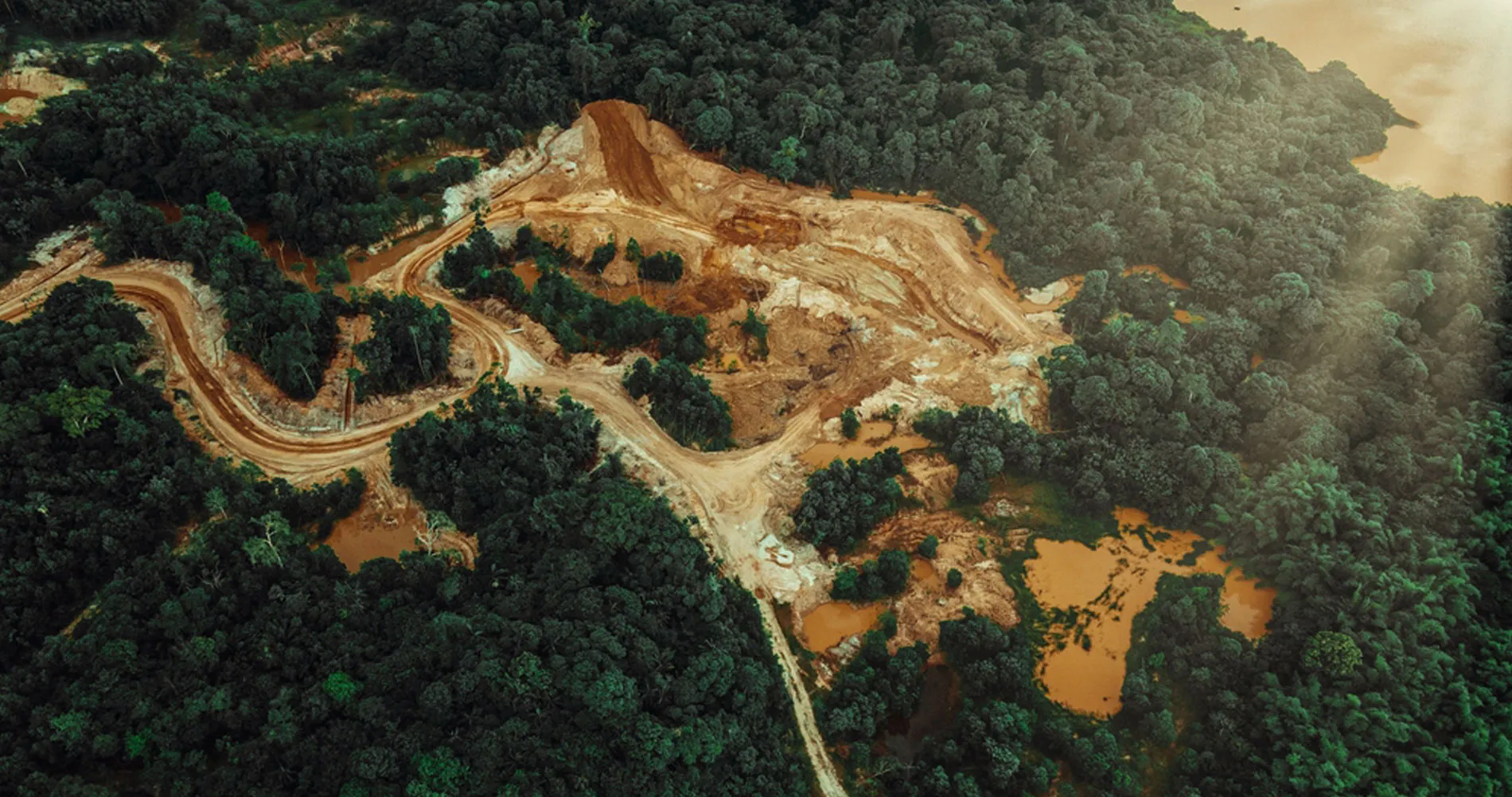
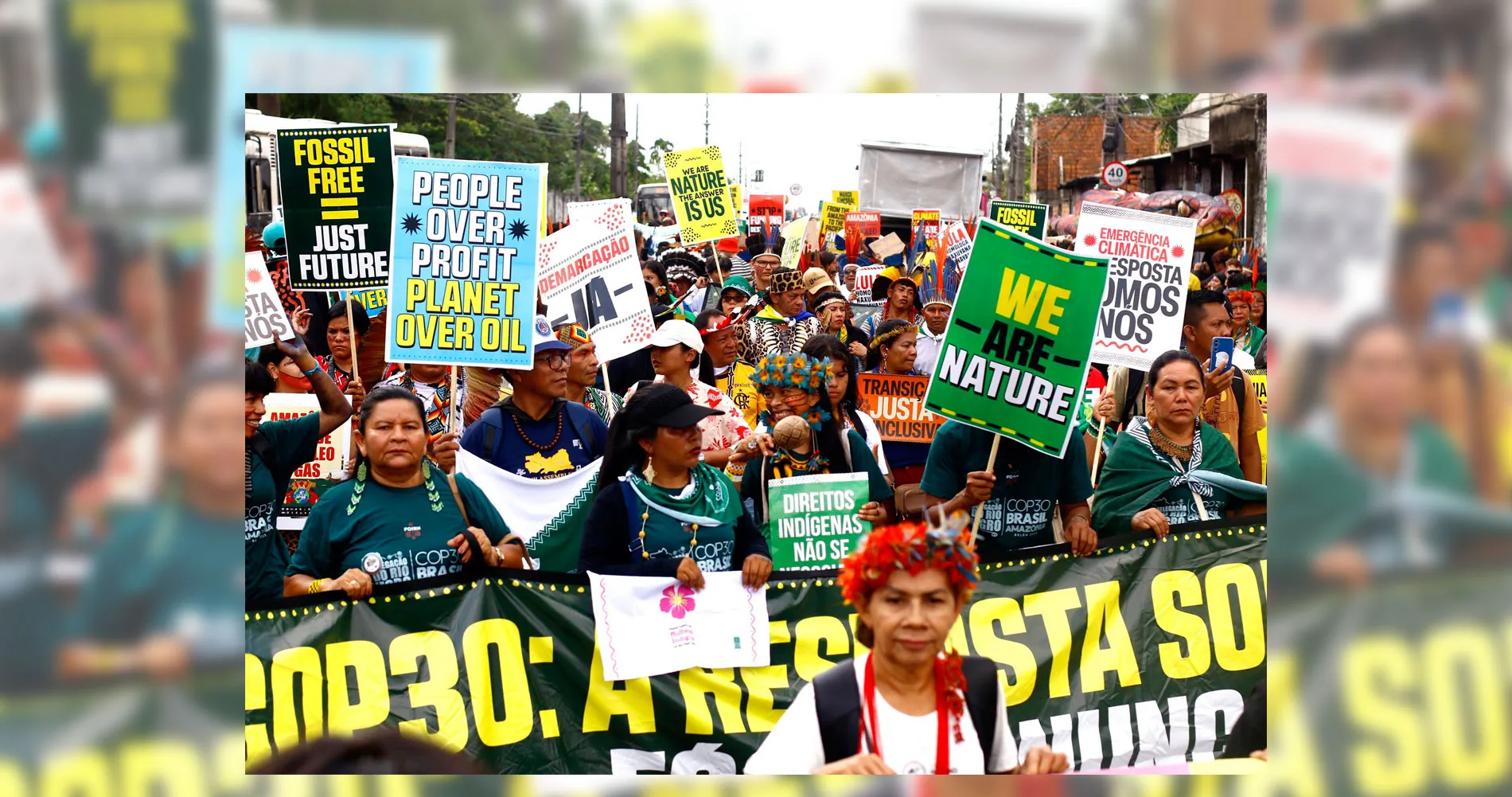
COP30 made headlines for all the wrong reasons. A constant stream of protests, cutting down large swaths of rain forest to pave a road to the congress center in Belém, two mega ships to house the conference participants, a major fire in the lobby and a very weak final note with no agreement on phasing out fosil fuels – the declared goal of President Lula at the beginning of the conference. A group of oil producing countries including Saudi Arabia, India and China blocked the phase-out. The summit was much ado about nothing!
True to the new US administration’s position on all things climate related, the United States did not send an official delegation to Belém. The Trump administration was surely pleased by the failure of COP30 to decide on any commitments which would impact international trade and the use and production of fosil fuels.
California Governor Gavin Newsom used this void to position himself as the next nominee for the Democrats come 2028. He led a large delegation of state and local officials to virtue signal how California remains committed to climate action. His presence underscored how divided the US is when it comes to climate policy, with Democrat led states still backing Biden’s climate friendly agenda.
As the US retreats, China has quickly filled the gap at COP30. Their pavilion in Belém is larger and more visible than ever, presenting national renewable energy leadership and signaling an intention to shape the summit’s agenda.
Chinese officials have suggested that the country’s position as the world’s leading producer of clean technology could offer practical advantages for developing nations. Their approach reflects their larger geopolitical goal to increase their sphere of influence to Latin America – the declared backyard of the US.
While China’s strategic investment in renewable energy, electric vehicles, and battery manufacturing is substantial, it represents only part of a far broader economic and diplomatic engagement. As economic pressures intensify, many emerging nations are turning to Chinese technologies and financing as the most accessible and affordable resources for steering their energy transitions.
China’s active role at COP30 is part of its larger effort to expand and reinforce ties with Global South countries. Against a backdrop of internal divisions among Western actors, Beijing is establishing itself as a reliable partner by providing investment, loans, and engaging in multilateral initiatives. While there are still doubts over China’s overall emissions trajectory, its ability to deliver low-carbon infrastructure has increased its political influence.
Put together, these developments reflect a larger transition in global climate governance. In the absence of the United States and with Europe weak and divided, China is seizing the opportunity to shape international climate action and bolster its presence in regions that will be central to the future of the transition. This has created a divide within the hemisphere, with China’s influence growing in the south while the US remains focused on Central America and the Caribbean.
Brazil had hoped to use the momentum to strengthen multilateral cooperation and negotiations on forest protection and climate finance. As part of this effort, Brazil has proposed the Belém Action Mechanism, a framework for coordinating a “fast, fair, and financed” phaseout of fossil fuels—a signal of growing interest in more structured cooperation. For some a desperate attempt to save COP30.
According to the 2023–2024 European Investment Bank Climate Survey, 91 percent of Latin Americans report being personally affected by climate change. This mandate bolsters the region’s diplomatic leverage, as countries from Brazil to Colombia, Chile, and Costa Rica integrate climate objectives within their broader development agendas. Public support for the energy transition and forest protection has increased calls for an increase in international financing and technology transfer.


Europe entered COP30 with a weakened agenda on climate change. The European Union, once a global leader, now faces economic and military pressure from the war in Ukraine. Inflation and de-industrialization have been one result of Europe turning away from affordable Russian gas in favor of expensive LNG imports from the US.
Climate goals have moved onto the very back burner for many European nations. Germany, whose automobile industry is the backbone of its economy is turning away from electric cars – maybe too late to save many jobs. Many countries, Austria included, are phasing out climate subsidies.
External pressures, especially from the United States and major fossil fuel exporters, further complicate Europe’s position. The EU remains one of the largest contributors of climate finance, but question marks over its domestic ambitions have undermined its credibility with some Global South partners.
COP30 takes place at a time when the gap between climate commitments and concrete action continues to grow. Global emissions are still on the rise. The United Nations Environment Programme predicts trajectories leading to nearly 3°C of warming by the end of the century. Growing electricity demand, partly driven by artificial intelligence, adds further pressure on an already strained energy transition.
Financing remains the key obstacle. Many countries are facing budgetary constraints, and developing nations are warning that without significantly increased financial support, adaptation and emissions reduction will remain out of reach.
With China emerging as the new leader in climate technology, the resistance of the US will persist as Europe remains divided and weak.